How Buildings Learn: What Happens After They’re Built
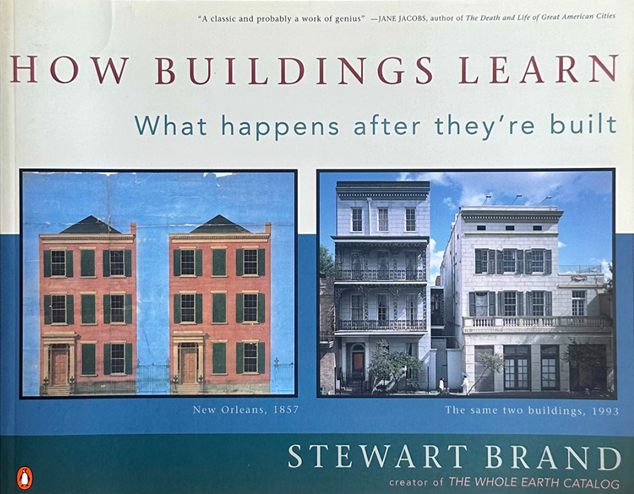
Published in 1994, this book is as relevant today as the day it first arrived on the shelves of bookstores across America. Steward Brand is a curious author. In this book he has researched the history of numerous buildings documenting how occupants have compensated for changing times, changing uses, and changing environments. He credits numerous professionals from America and Britain as valuable resources for his research. Professional including architects, planners, building preservationists, and architectural historians all provided the settings and history of various buildings and their evolution. While not always complimentary to architecture, his great respect for architects is found in the Acknowledgments section; “As for names, I’ll begin with the architects, in honor of the abuse their profession catches in this book—much of it quoting them, of course.”
The chapters each drive home a point, combined they offer a philosophy embracing change as inevitable. Change which demonstrates the evolution of the culture in which the structure served.
As a preservationist, our passion for establishing the “period of significance” is directly a result of recognizing this philosophy. In one volume, Steward Brand has described the basis of our approach to preservation.
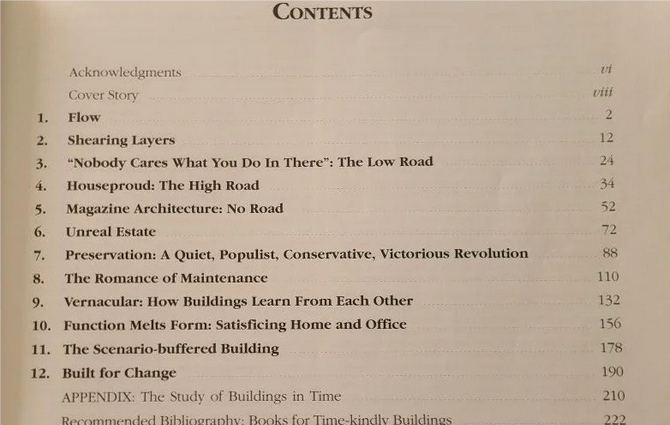
Analysis of an historic structure can be accomplished in a systematic way by identifying what is most important to tell the cultural story embodied in the structure. The initial chapters “Flow” and “Shearing Layers” provide insight into the basic design concepts of structures and the systems within. The following chapters “The Low Road”, “The High Road”, and “No Road” all provide preservationists with evidence of the original culture surrounding the structure. “Unreal Estate” zeros in on the evolution of various cultures and provides examples of numerous structures’ reaction to those cultural evolution’s.
Brand’s recounting of the origins of the “historic preservation movement” piqued my interest. Chapter 7, “Preservation: A Quiet, Populist, Conservative, Victorious Revolution” begins with Vincent Scully, legendary architectural historian, describing the preservation movement’s history and its heroes. Quote; “the only mass popular movement to affect critically the course of architecture in our century.”
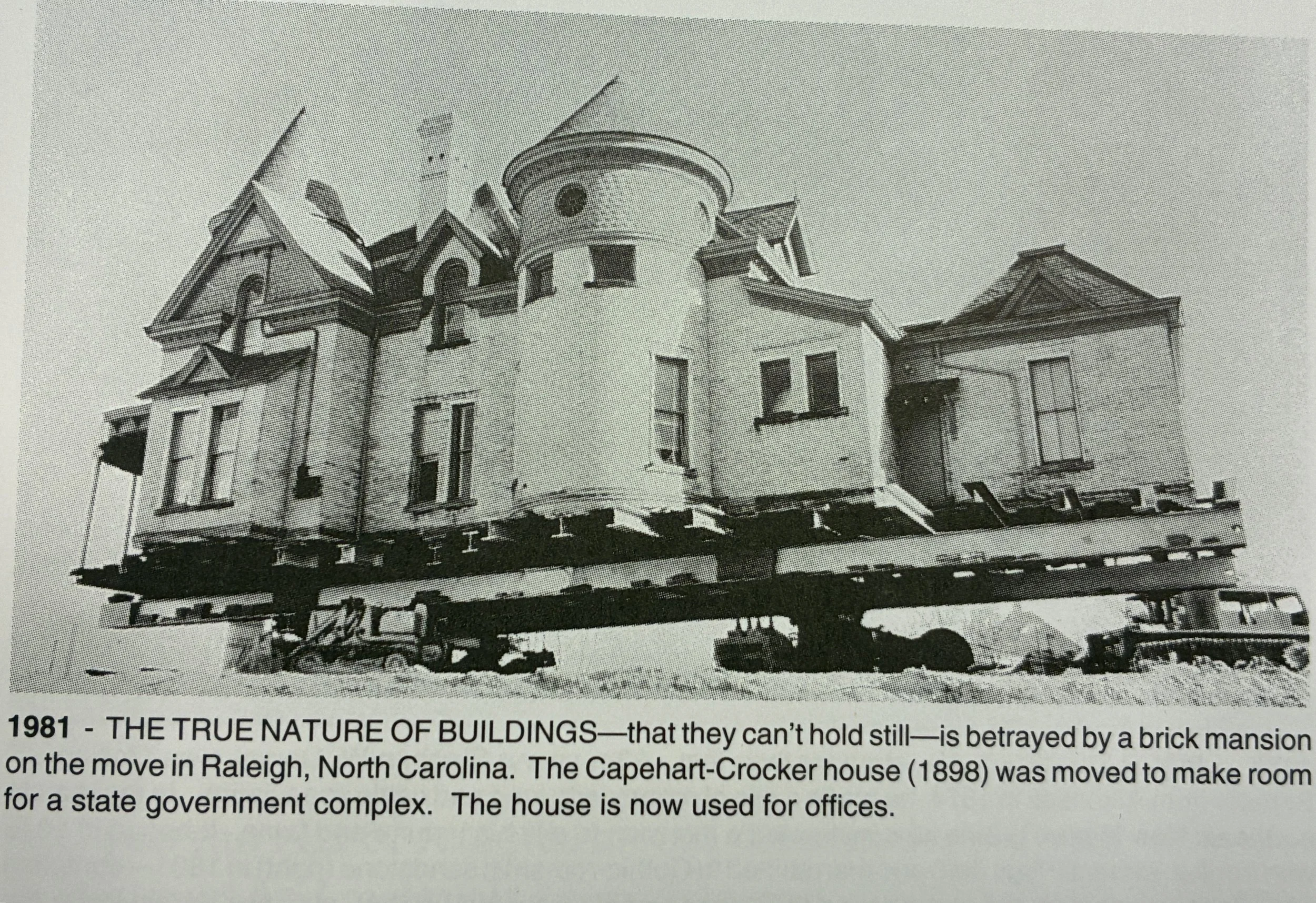
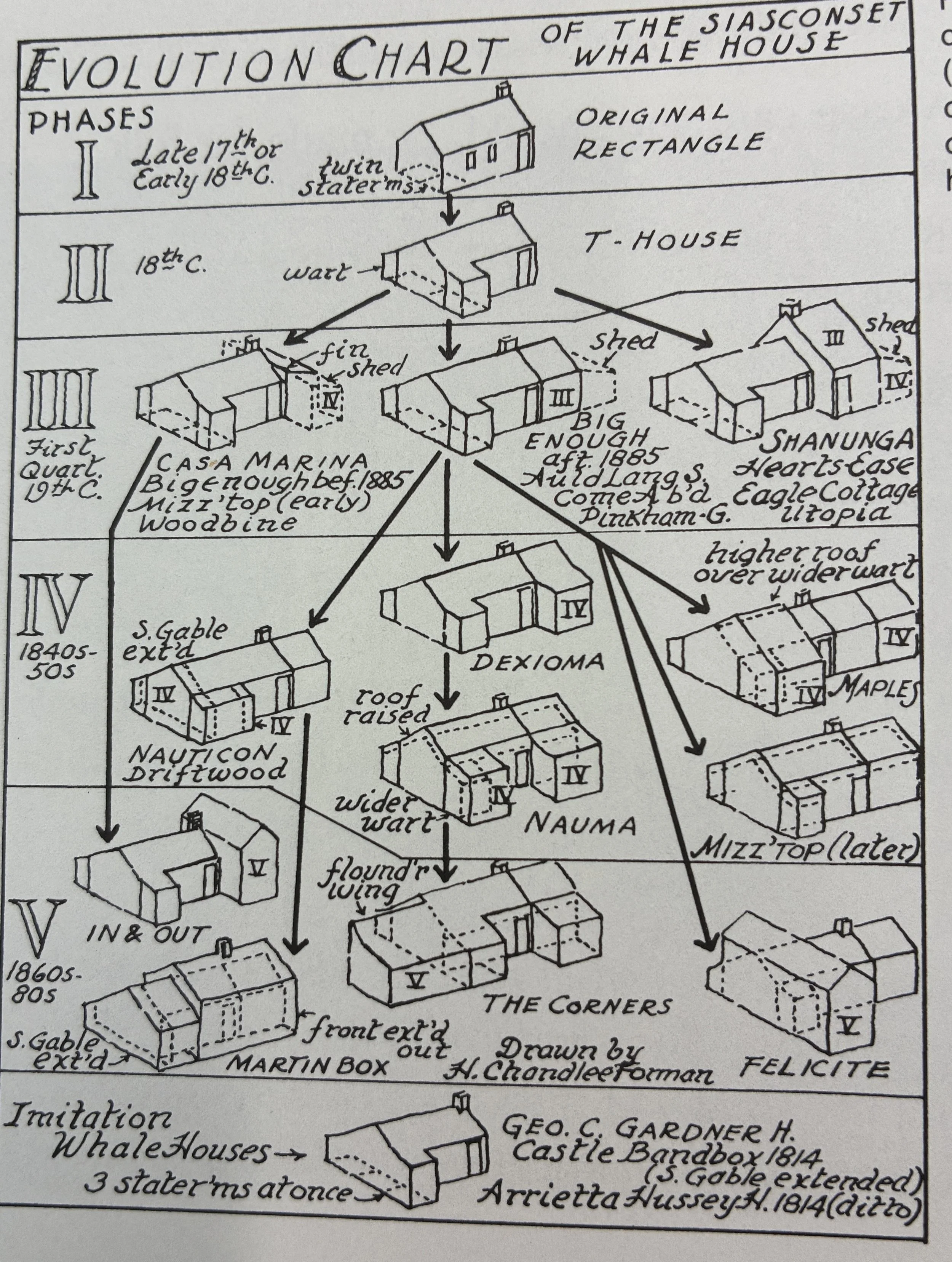
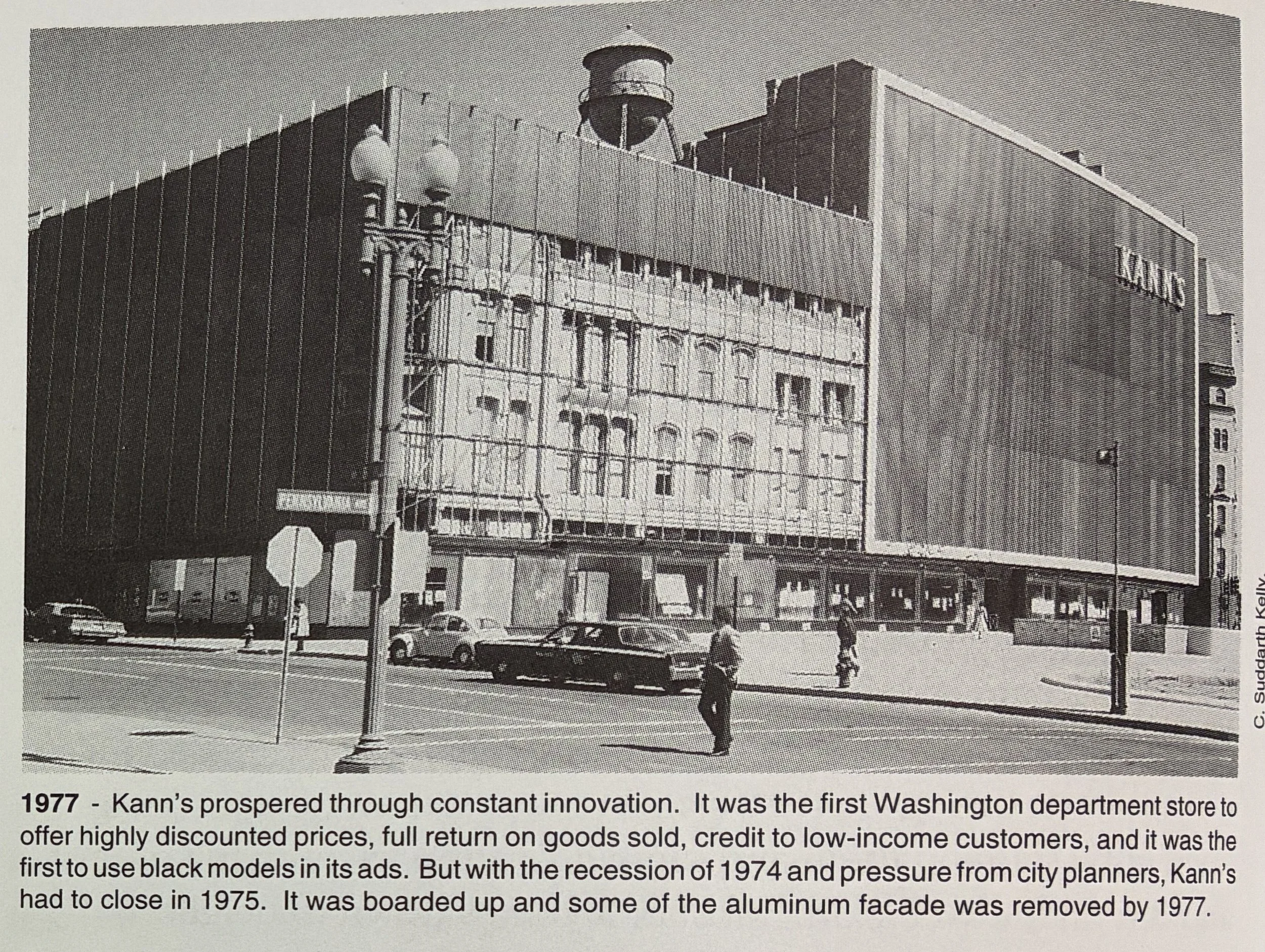
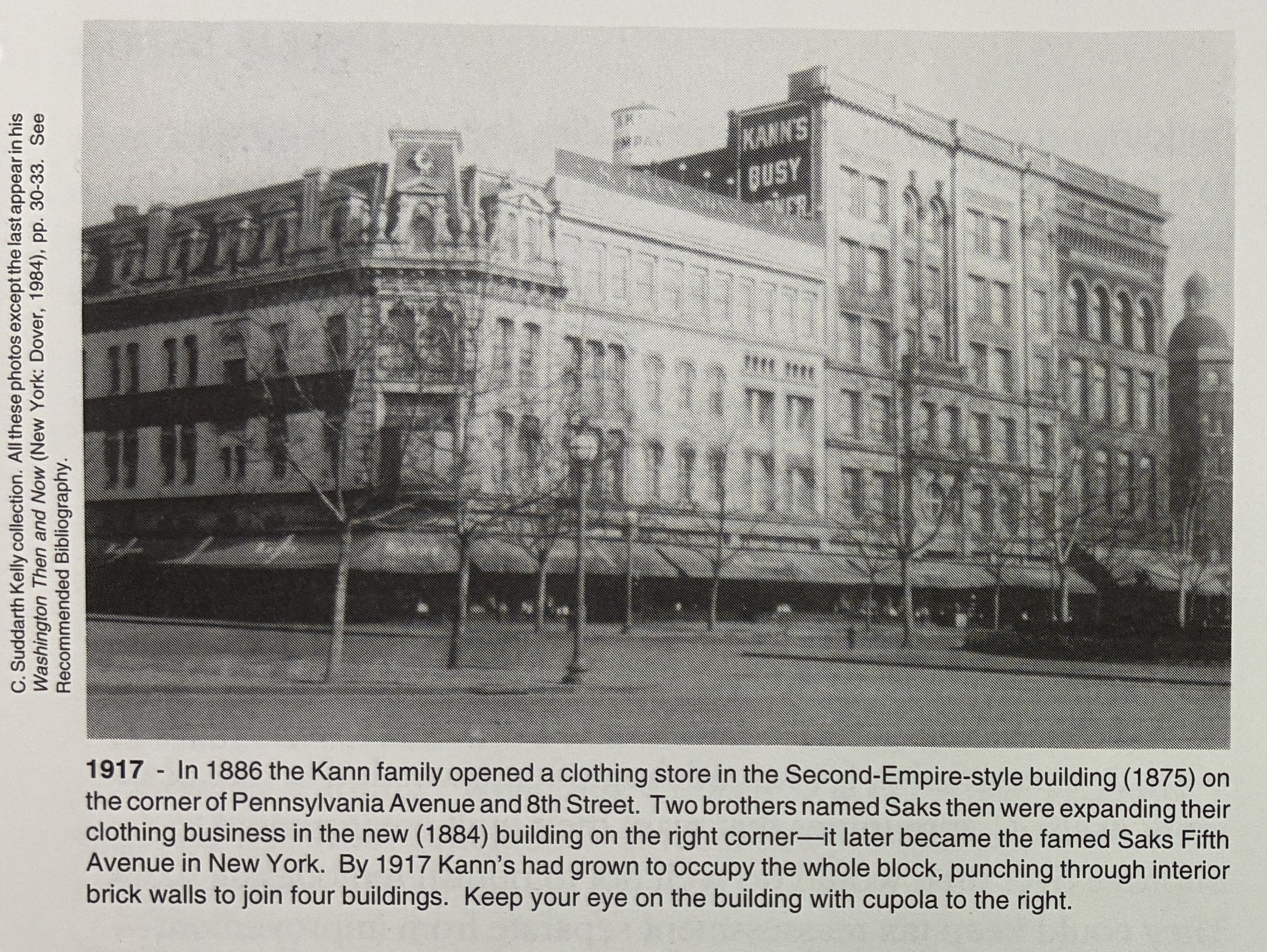
As for examples to support Brand’s thesis, the book is filled with original building images followed by evolutionary changes and current images of the same structure. Sketches, floor plans, and maps further document “How Buildings Learn.”
It’s just my opinion, but I believe that this is one of the best reads for young preservationists. This book will help architects, big or small, understand the value of designing structures beyond their original purpose for being. It will help young preservationist understand how to analyze a structure, or the great historic assets within a community Thus leading to a brighter future for all.
This book is available from Powell’s Books and Amazon;
I’m happy and excited to see and meet many of you in Providence this week!
P.S. Please feel free to send me your comments and thoughts on How Buildings Learn by Stewart Brand, or comment other books you believe are essential for preservationist of all kinds!