Technology of Historic American Buildings
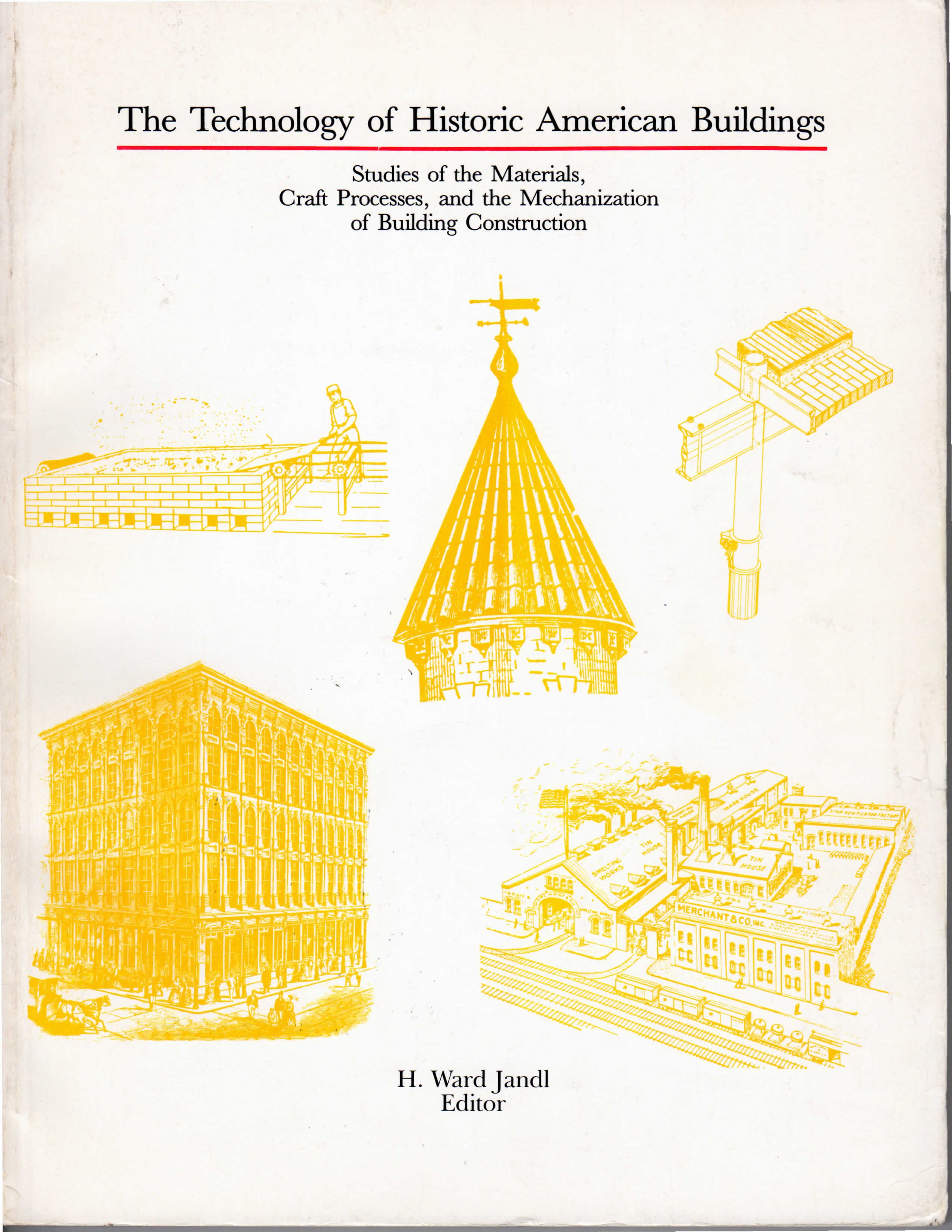
This book was published by The Foundation for Preservation Technology and the Association for Preservation Technology International (APT).
The Introduction written by Hugh C. Miller AIA and Lee H. Nelson, AIA provides a brief history of the Association for Preservation Technology International and the Foundation for Preservation Technology. Having been acquainted with both gentlemen, it is worth noting their stature within the international preservation community. The salutation for the Introduction credits them as being members of the Publications Committee of the Foundation for Preservation Technology, but they were much more than that. I encourage you to take the time to read about these men, Mr. Miller, FAIA & FAPT is remembered on the World Heritage USA site: https://worldheritageusa.org/remembering-hugh-clark-miller/ and Mr. Nelson is remembered on the Historic Preservation Education Foundation site: https://www.hpef.us/lee-nelson-papers.
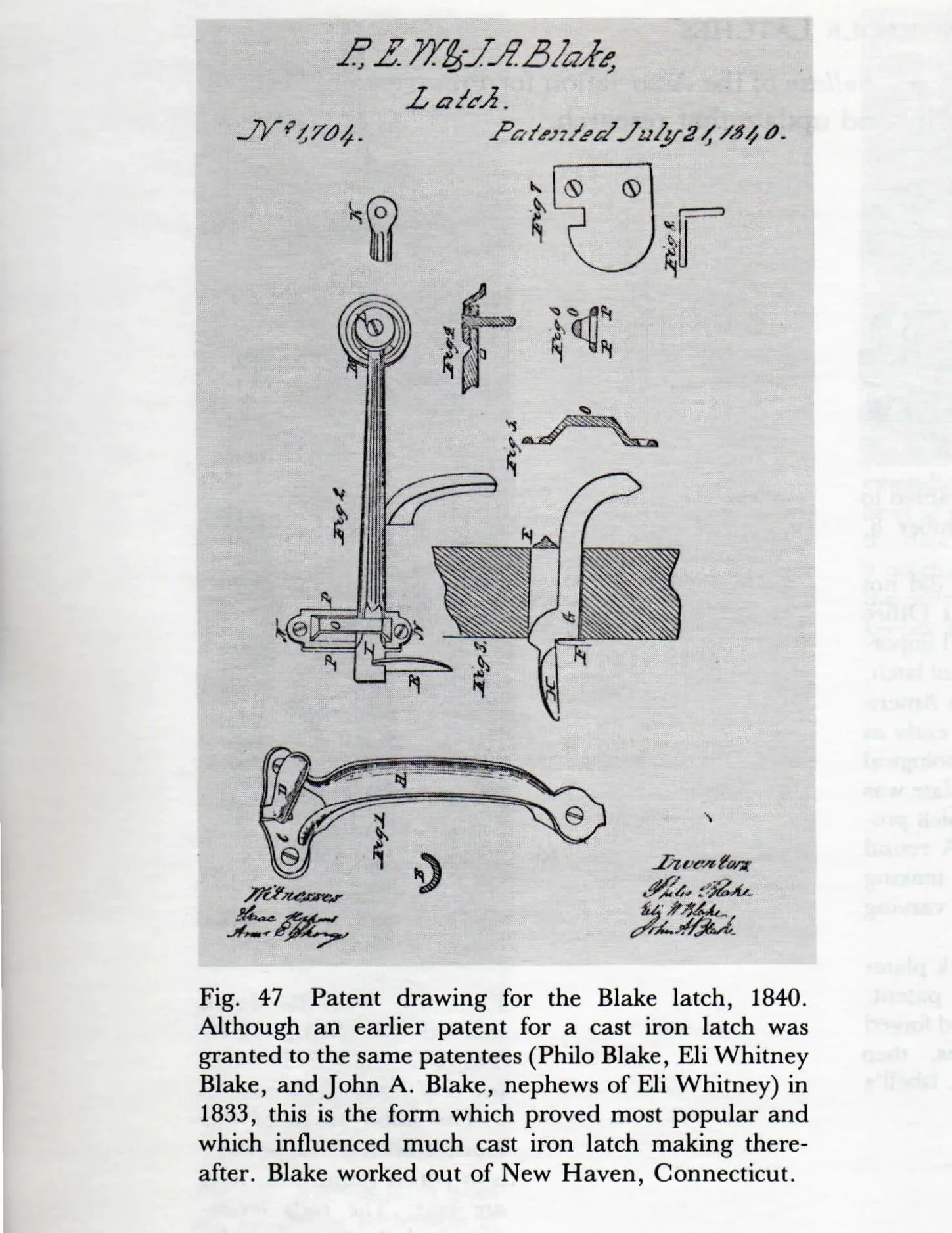
It was the efforts of these two gentlemen that made the book possible. They brought together some of the best preservation specialists of the era to write chapters focused on their individual expertise. They include contributors such as Donald Streeter, a craftsman and scholar who had devoted over thirty years to the study and the manufacture of handmade hardware patterned after 17th, 18th, and early 19th century forms. His chapter “The Historical Development of Hand Forged Iron Builders’ Hardware,” delves into the various types of handmade hardware, when they first appeared, how they evolved, followed by guidance on potential repair/restoration options. He also discusses the option of replicating parts or creating completely new pieces of hardware.
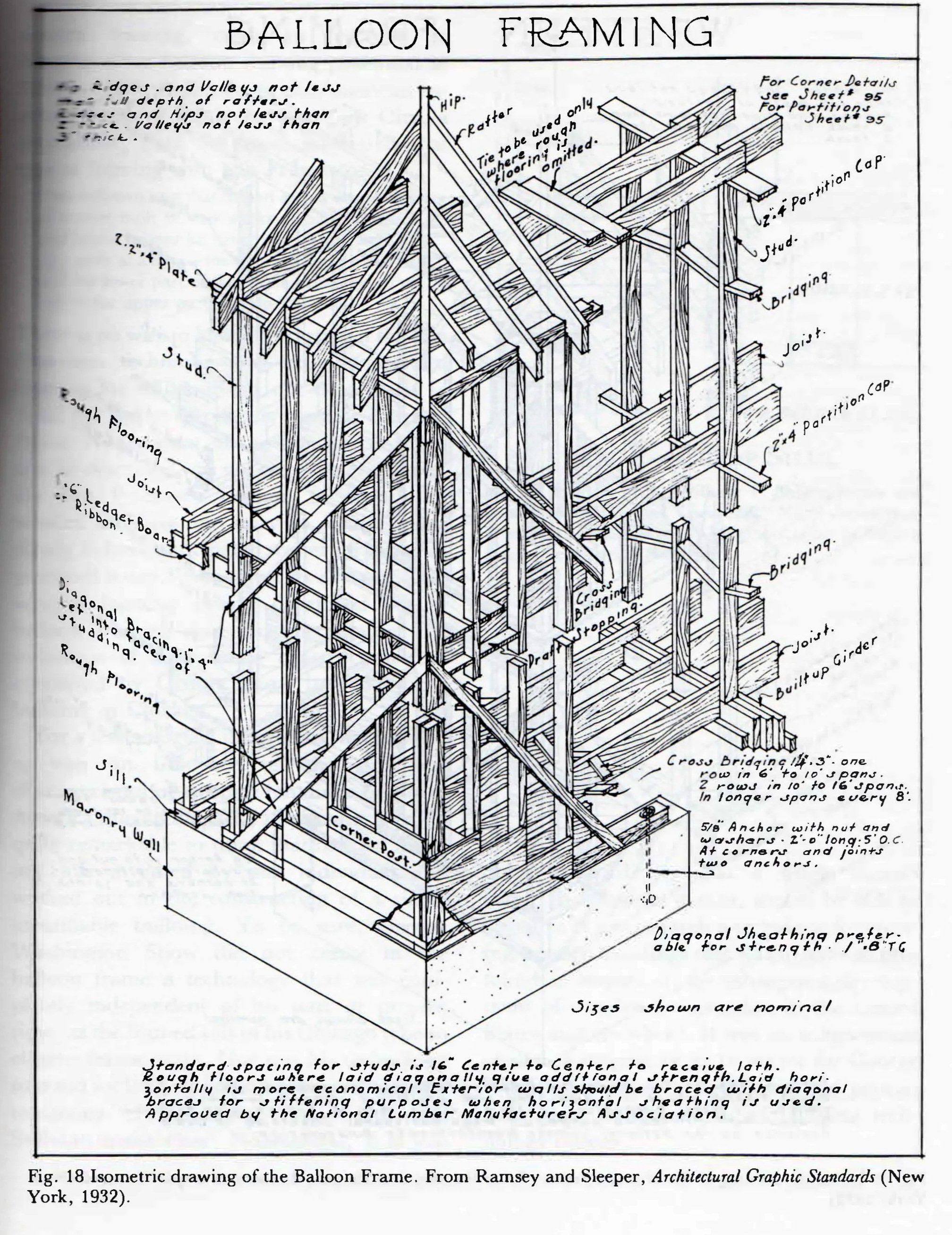
Dr. Paul E. Sprague was an architectural historian whose study of wood frame construction has resulted in an exhibition of an early 19th century balloon frame house in the Museum of History, Smithsonian Institution, Washington D.C. His chapter “Chicago Balloon Frame – The evolution During the 19th Century of George W. Snow’s System for Erecting Light Frame Buildings from Dimension Lumber and Machine-made Nails,” provides historic context for the transition from heavy timber construction to dimension lumber. It became available, shipped in from forested area outside of Chicago, to the then modern sawmills prepared as innovative dimension lumber. Illustrations include complete frames in elevation and isometric as well as numerous detail drawings for complete understanding of this revolutionary system. The author does not stop with Mr. Snow’s system but continues with system improvements created by his followers.
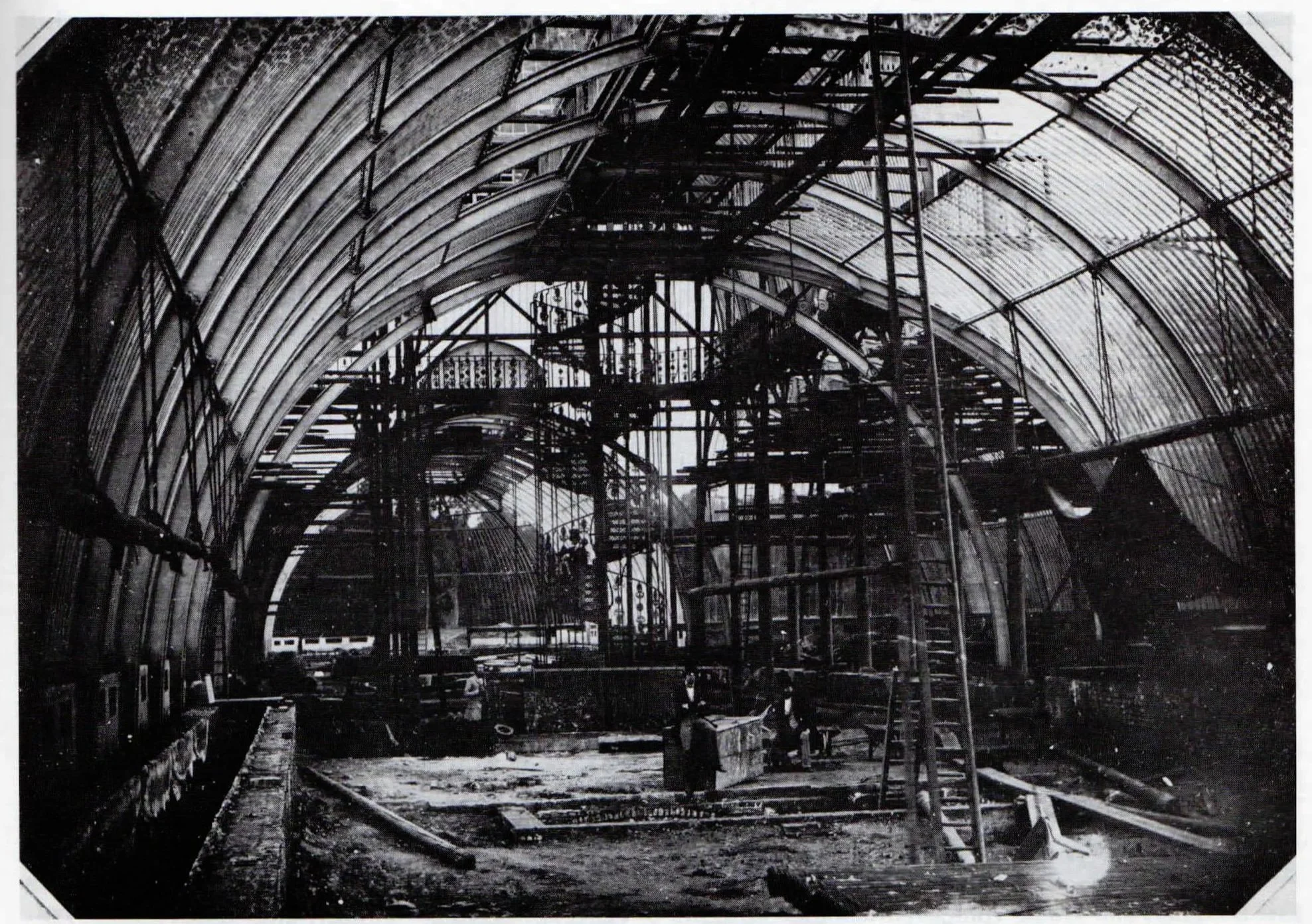
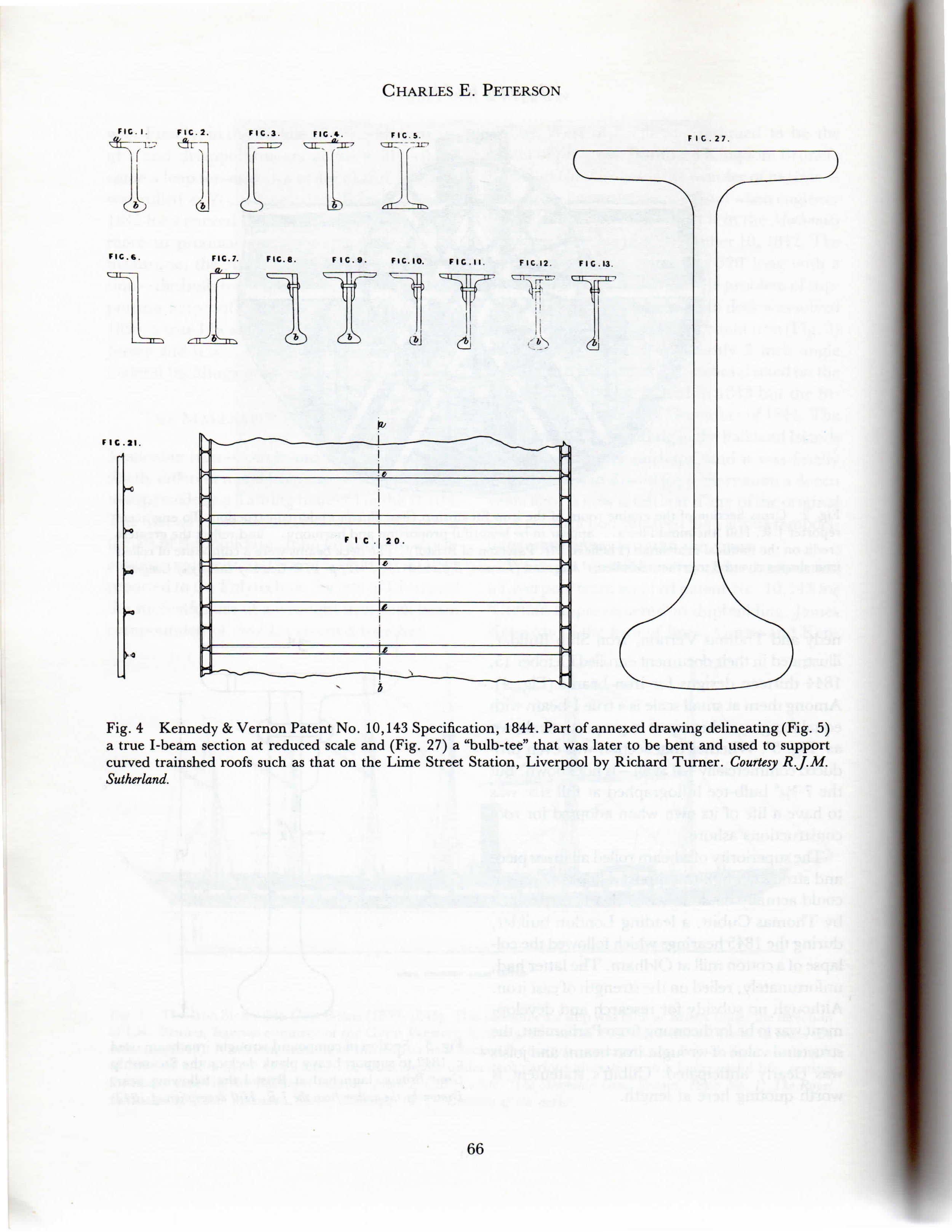
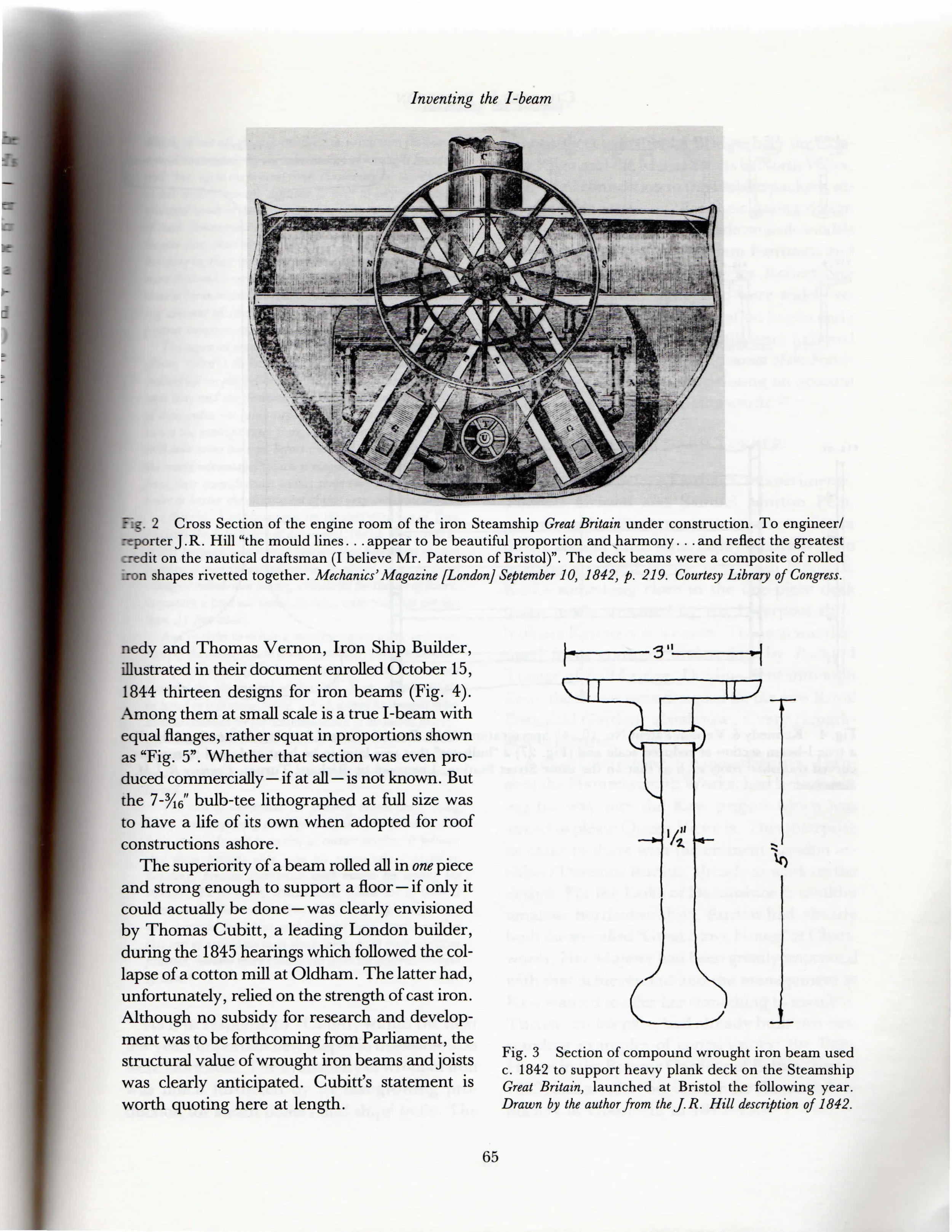
Charles E. Peterson, FAIA, was a Past President of the Society of Architectural Historians and of the Association for Preservation Technology. He served as the editor for Building Early America, published in 1976. In June of 1977, APT commissioned Mr. Peterson to prepare an essay on the development and use of wrought iron in early American buildings. This chapter is drawn from that research project, and it was previously published in the APT Bulletin. Mr. Peterson’s chapter “Inventing the I-beam: Richard Turner, Cooper & Hewitt and Others” provides an interesting history of the development of iron, to cast iron and wrought iron. While much of the development of iron is a direct result of the demand for iron rails for the railroads which crisscross our country, this author has documented the use of iron in the creation of ships even before railroads. Images include illustrations of the various shapes produced by numerous manufacturers. Details illustrate how shapes were joined together to create beams. All of this leads eventually to the I-beam. Photographs and drawings show structures assembled from iron components. This author includes example of iron products produced in Canada as well as the United States.
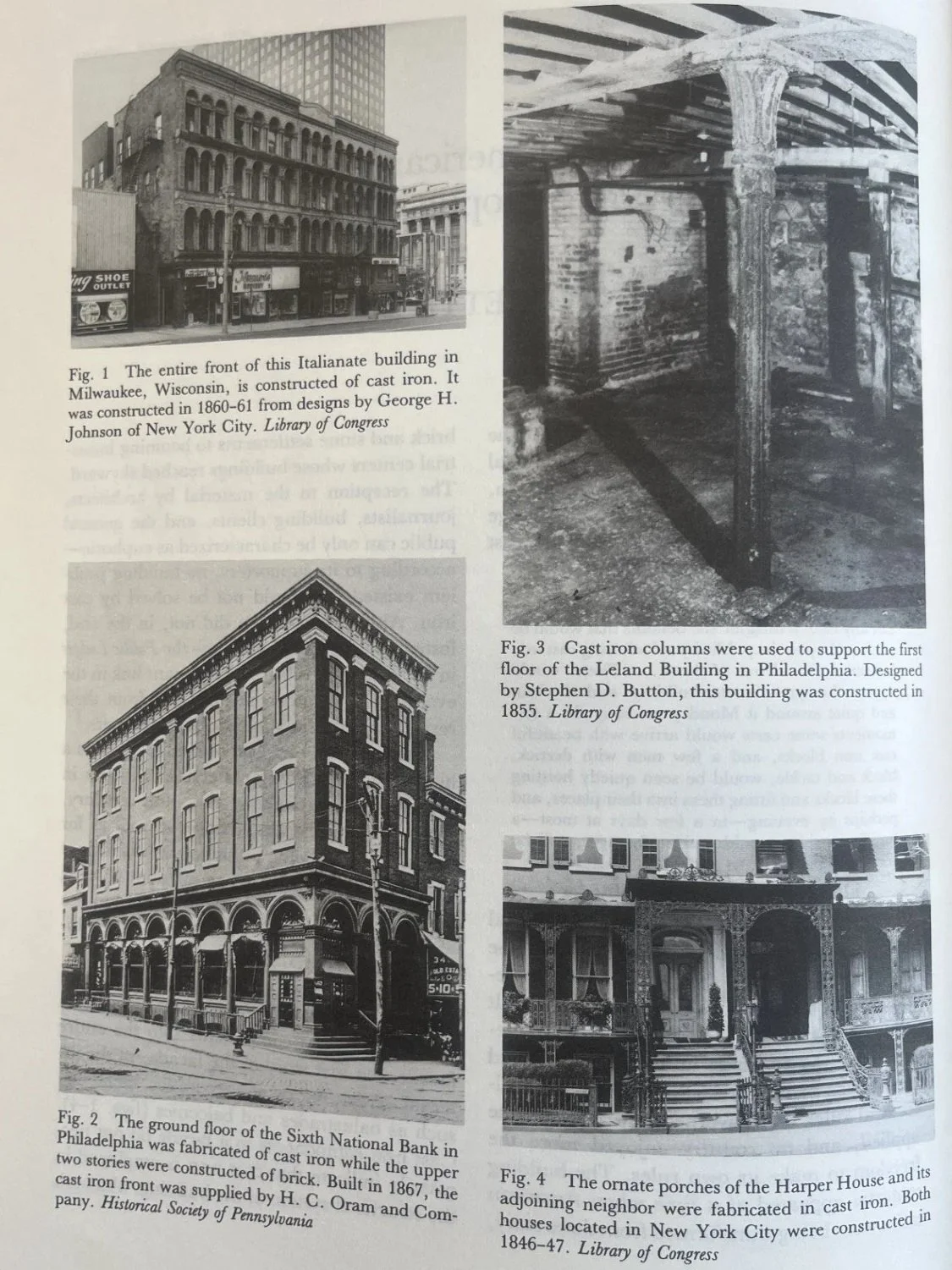
Dr. Antoinette J. Lee was with the Education Services Division of the National Trust for Historic Preservation in Washington D.C. She wrote her dissertation for George Washington University on the rise of the cast iron district in Philadelphia. Her chapter “Cast Iron In American Architecture: A Synoptic View” showcases some of the structural characteristics of cast iron but focuses more on the decorative uses from small elements such as door surrounds to full building fronts reaching several stories tall. The author documents the use of cast iron store fronts from the early part of the nineteenth century to the first few years of the twentieth century, when modern materials such as steel and terra cotta were replacing cast iron store fronts. She digs into the development of decorative cast iron and some of the inherent problems with cast iron. Like all of the authors, her research is supported by a lengthy bibliography of references and notes.
Robert C. Mack, AIA was a historical architect with the Minneapolis firm MacDonald and Mack Partnership. Prior to forming the partnership, Mr. Mack worked for the Office of Archeology and Historic Preservation, National Park Service. While there, he authored several publications on the subject of masonry cleaning and repointing, i.e. Preservation Brief #2. Mr. Mack’s chapter “The Manufacture and Use of Architectural Terra Cotta In The United States” begins with a basic definition of terra cotta followed by an historical overview. The material is ancient; however, his writing focuses on the rise in its popularity for building ornamentation and cladding. Beginning around 1850, terra cotta began to appear in America as ornamentation, focal points or embellishment for buildings. By the time its use peaked, about 1930, entire buildings were being clad in terra cotta. Within this chapter, he describes the manufacturing process during this era along with illustrations of an idealized factory, details of specific uses as well as complete façade drawings. There is much to learn from this chapter beyond just the manufacturing process. Mr. Mack writes about typically available finishes, handling the material, and installation techniques. He describes the factors that lead to the diminished popularity of terra cotta.
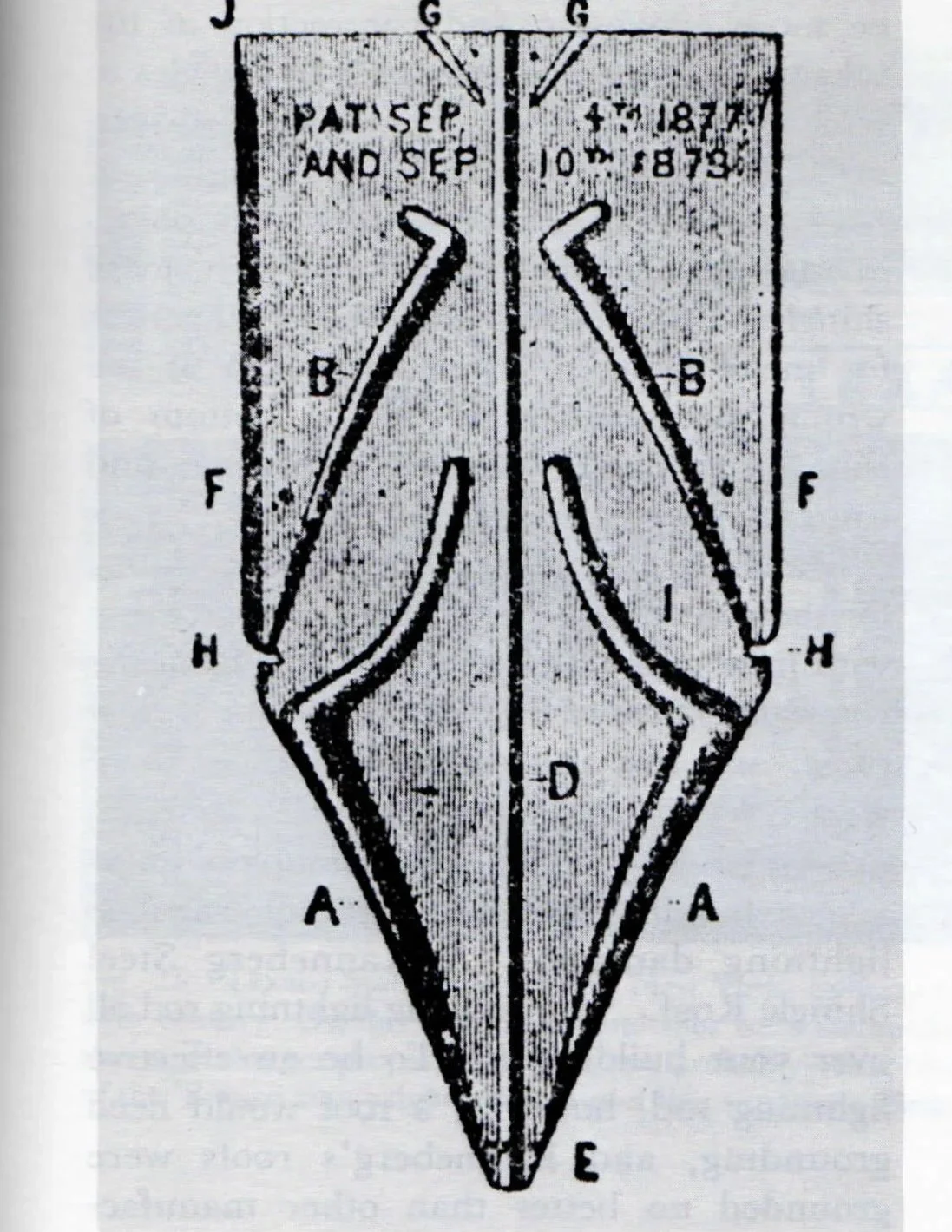
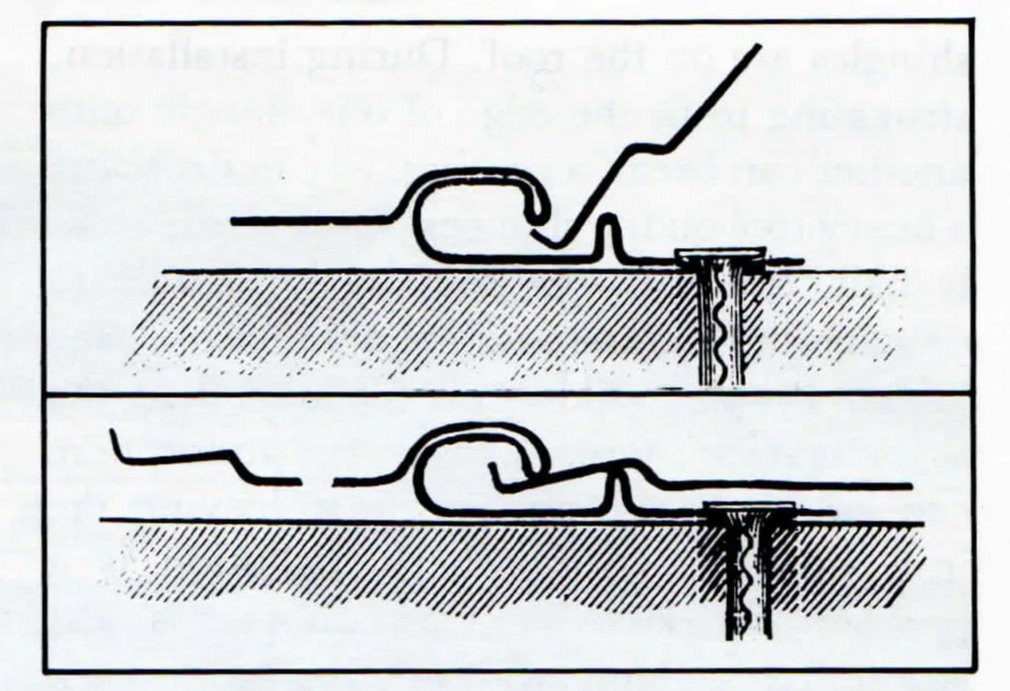
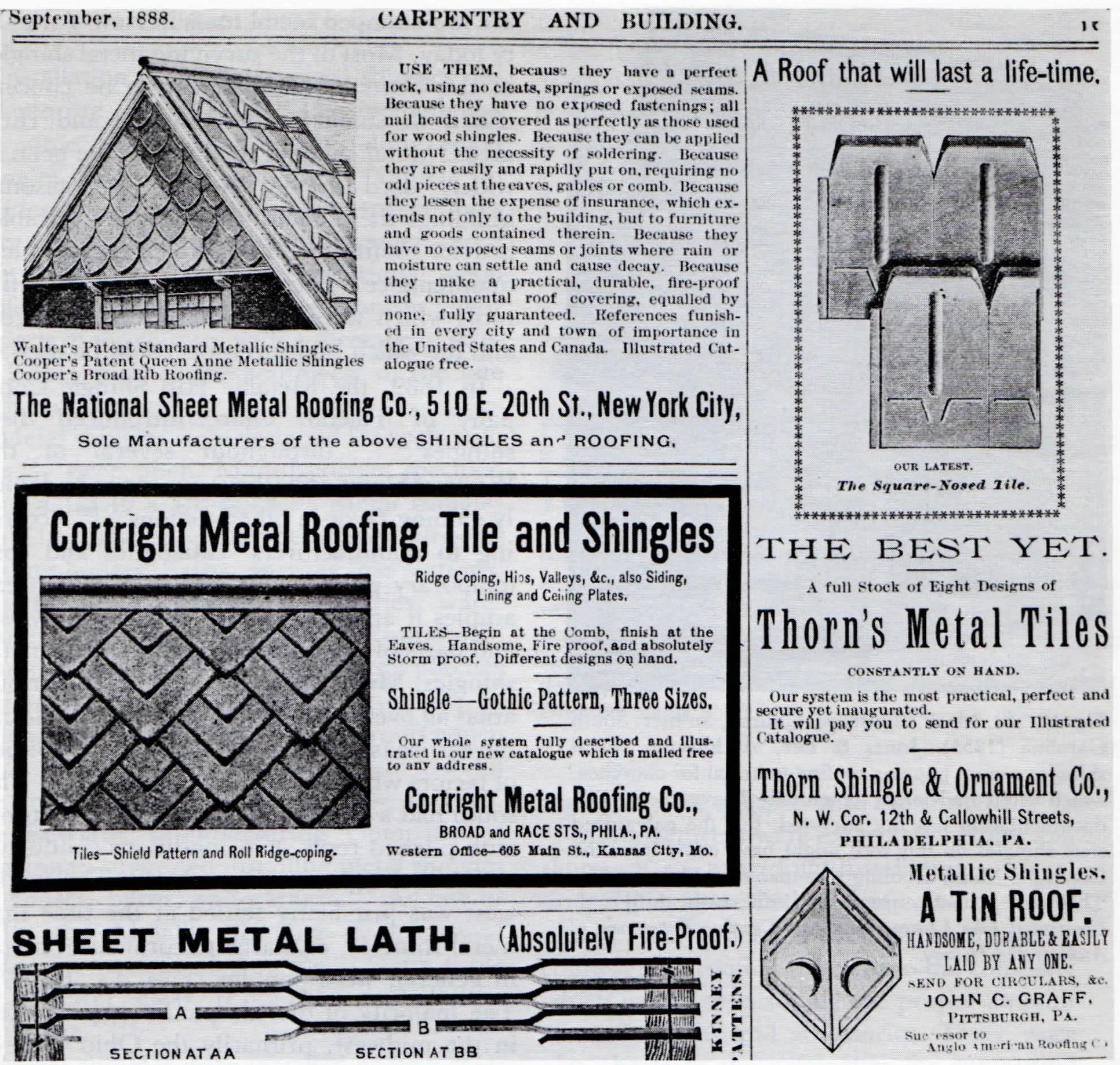
Mary B. Dierickx was an architectural preservation consultant in New York City and the author of an article on metal ceilings. In her chapter “Decorative Metal Roofing in the United States” she shares her research of these metal products and installation popular during the last quarter of the 19th century through the first quarter of the 20th century. The fireproof nature of the material made metal shingles a desirable cost-saving alternative to clay tile or slate. They became a popular solution for the expanding railroad and their smaller passenger stations and depots. She offers descriptions of the available metal options along with advantage for each. There are examples of the variety of designed patterns as well as the embellishments on roof ridges and pinnacles at the ends of ridges and on towers.
Pamela W. Hawkes was an architectural conservator with Building Conservation Technology, Inc. in Washington D. C. She is a graduate of Williams College and holds a Masters of Science degree in Historic Preservation from Columbia University. Her chapter, “Economical Painting: The Tools and Techniques Used in Exterior Painting in the 19th Century” provides valuable insight into quality of material and the craftsmanship mastered by the most skilled painters. Many period publications are sited throughout the chapter documenting the procedures recommended during this era. The variety of brush illustrations suggest many house painters may have been on par with artists of that period. In addition to the tools of the trade and the most popular materials, the author further explores the variety of surface, 19th century painters were covering up.
All in all, this book is an essential source of knowledge for students and architects venturing into historic preservation. The book is an assemblage of seven of the most respected preservation experts of the 1980s. I have read parts of this book numerous times to remind myself of easily forgotten tricks and details to make our preservation projects as long-lasting as possible.
This book is available from:
P.S. Please feel free to send me your comments on Technology of Historic American Buildings or other books you believe are essential for preservationist!