Water in Buildings: An Architect’s Guide to Moisture and Mold
Our preservation projects involve buildings constructed in time periods ranging from the early 1800s to current day projects. In our efforts to “improve” those structures to be more energy efficient, more comfortable, more convenient with power sources and data distribution systems, and more secure with video monitors and metal detectors, the potential to upset the balance of the original systems within the structure is virtually a certainty.
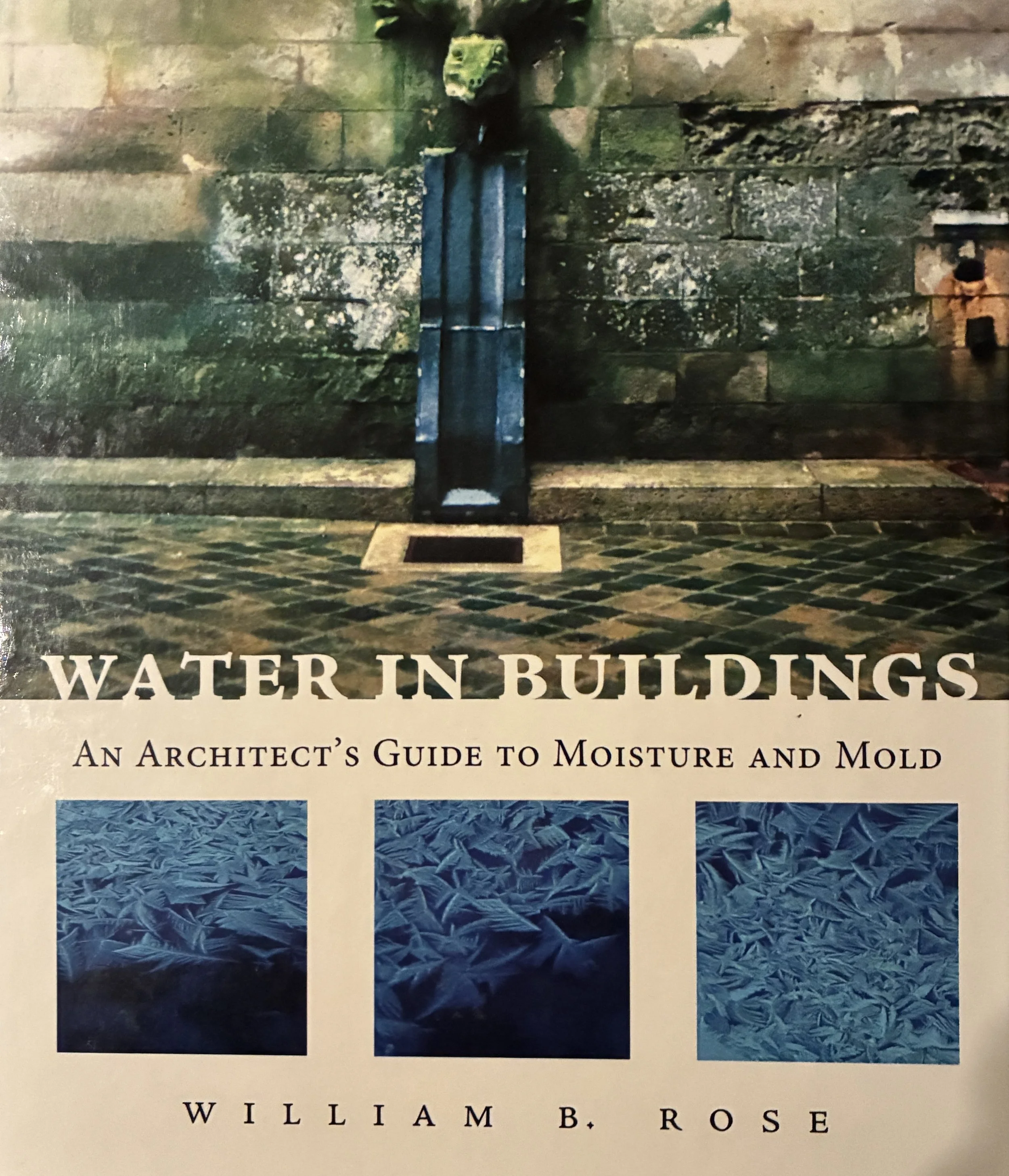
Mr. Rose has taken on the challenge of explaining the inevitable movement of moisture through building envelopes, the reasons for consequences such as mold.
We all know water, yet we rarely consider its properties and its ability to exist as a solid, as a gas, as well as a liquid. The author takes the reader through all of theses states of matter and reminds us of the basic scientific principles unique to water. By understanding these principles, the readers are prepared to explore the issues created by our drive to “improve” the built environment of structures.
In Chapter 3, I was particularly impressed with the author’s documentation of unanticipated problems when insulation was first added to the wall cavities of wood-framed structures. Each proposed solution seemed to “move” the problem rather than correct it. There is a lot to learn from this historic perspective.
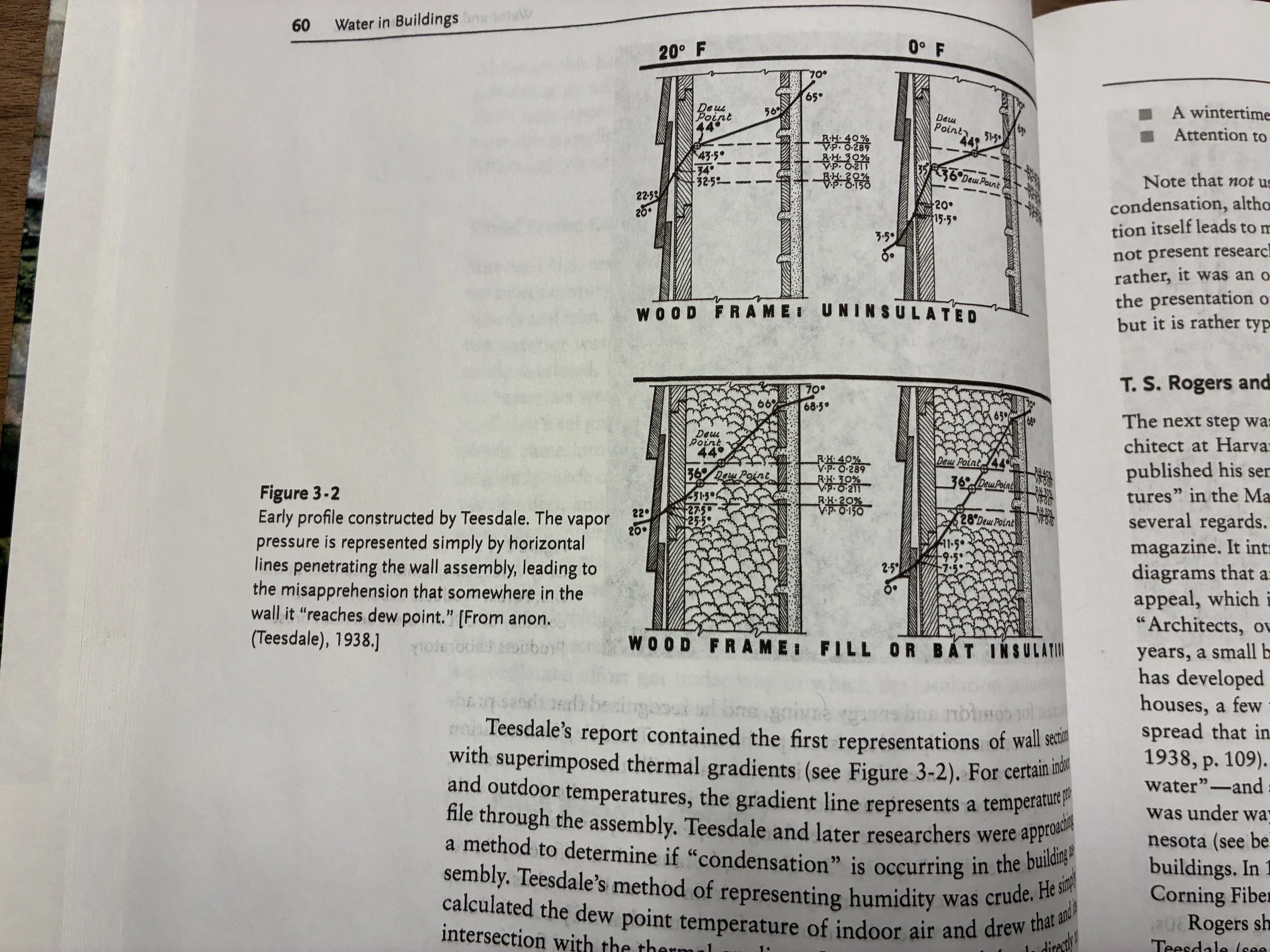
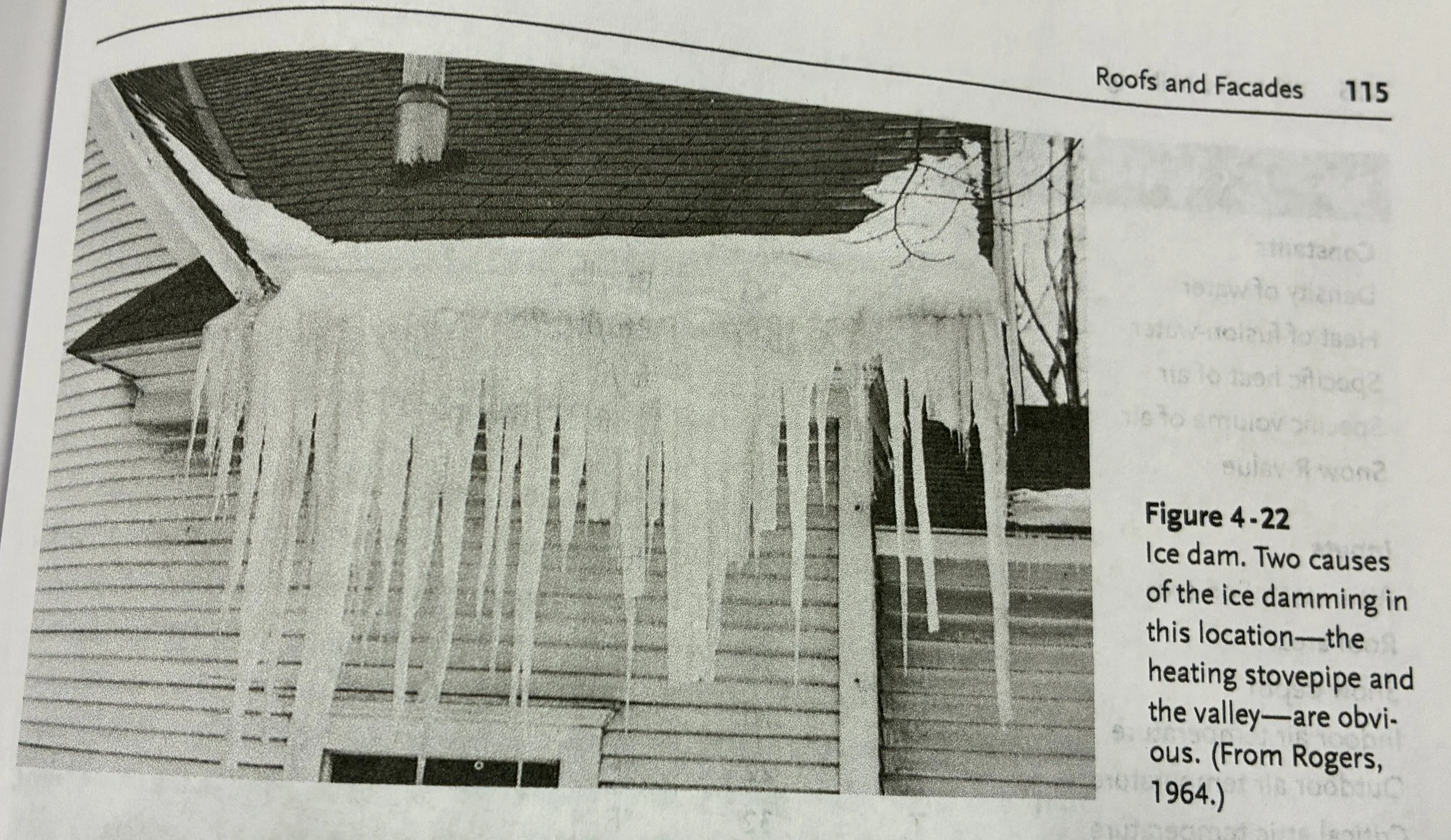
While the book is primarily focused on moisture in structures which produces mold, the movement of air, or lack of ventilation, is also recognized as a contributing factor. Most of our clients’ structures were built before the advent of air conditioning, thus the design of a structure’s ventilation system was essential for the comfort of its occupants. In the rush to “modernize” existing structures with AC, original ventilation systems were frequently abandoned leading to condensation issues in unexpected locations.
The problems and consequences of moisture within buildings are illustrated throughout the book with photos and drawings. Moisture issues and proposed solutions are presented relative to current building codes and scientific data. All in all, Rose’s book has demonstrated the necessity of designing for the transmission of moisture.
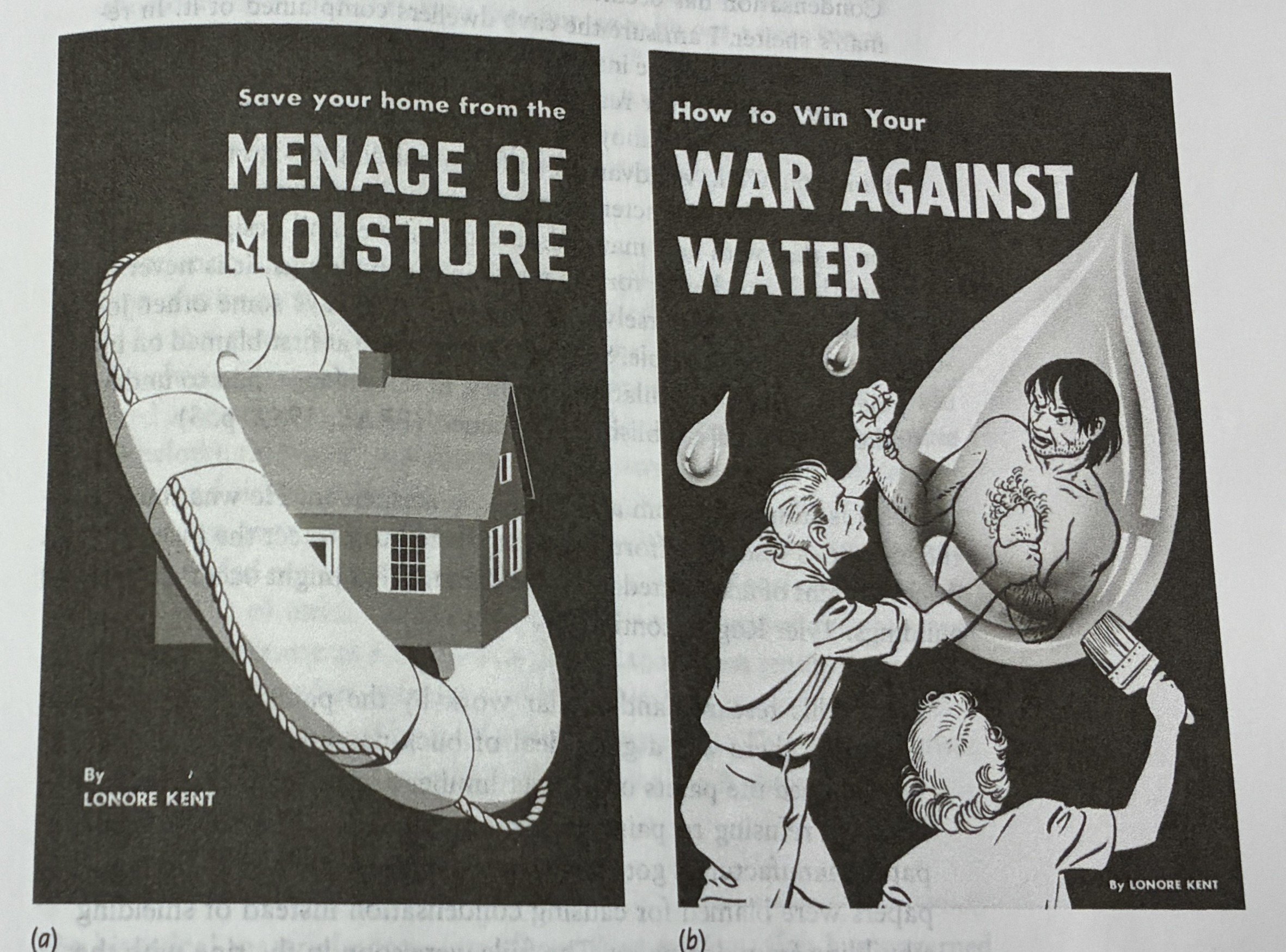
It’s just my opinion, but I believe this is an essential read for all architects commissioned to “improve” existing structures. Without understanding the original “balance” of the systems supporting structure, there is very little hope of making “improvements” without consequences. This book will be of benefit to others who have the responsibility of maintaining their homes or other structures.
P.S. Please feel free to send me your comments on Water in Buildings: An Architect’s Guide to Moisture and Mold, or other books that you believe are essential for preservationist!